 Image 1 of 4
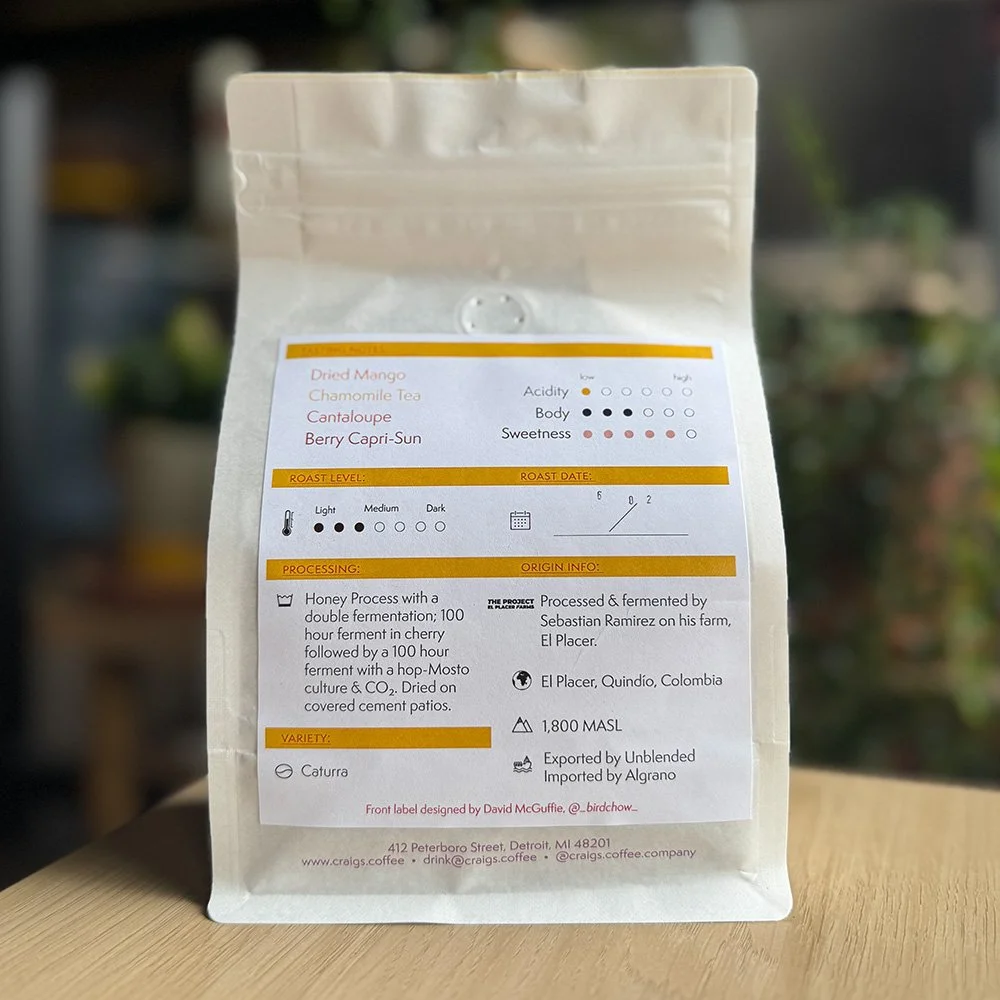 Image 2 of 4
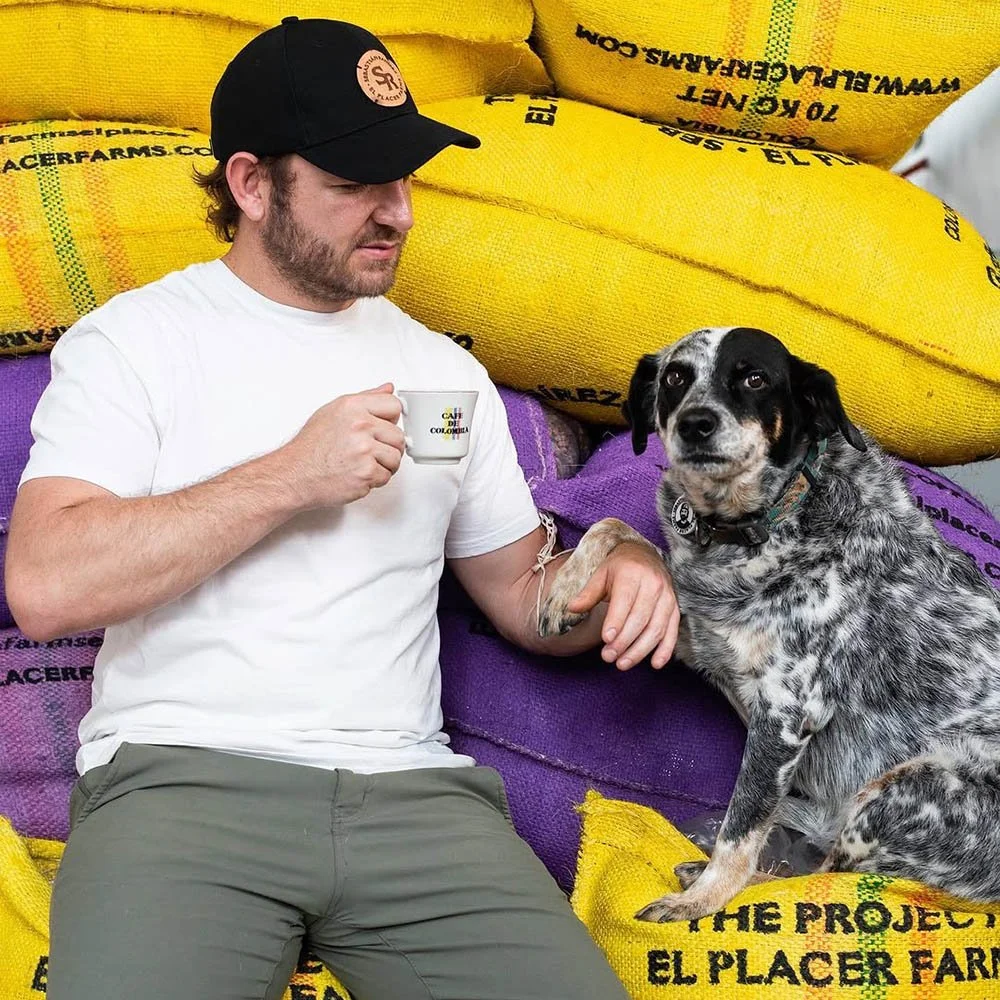 Image 3 of 4
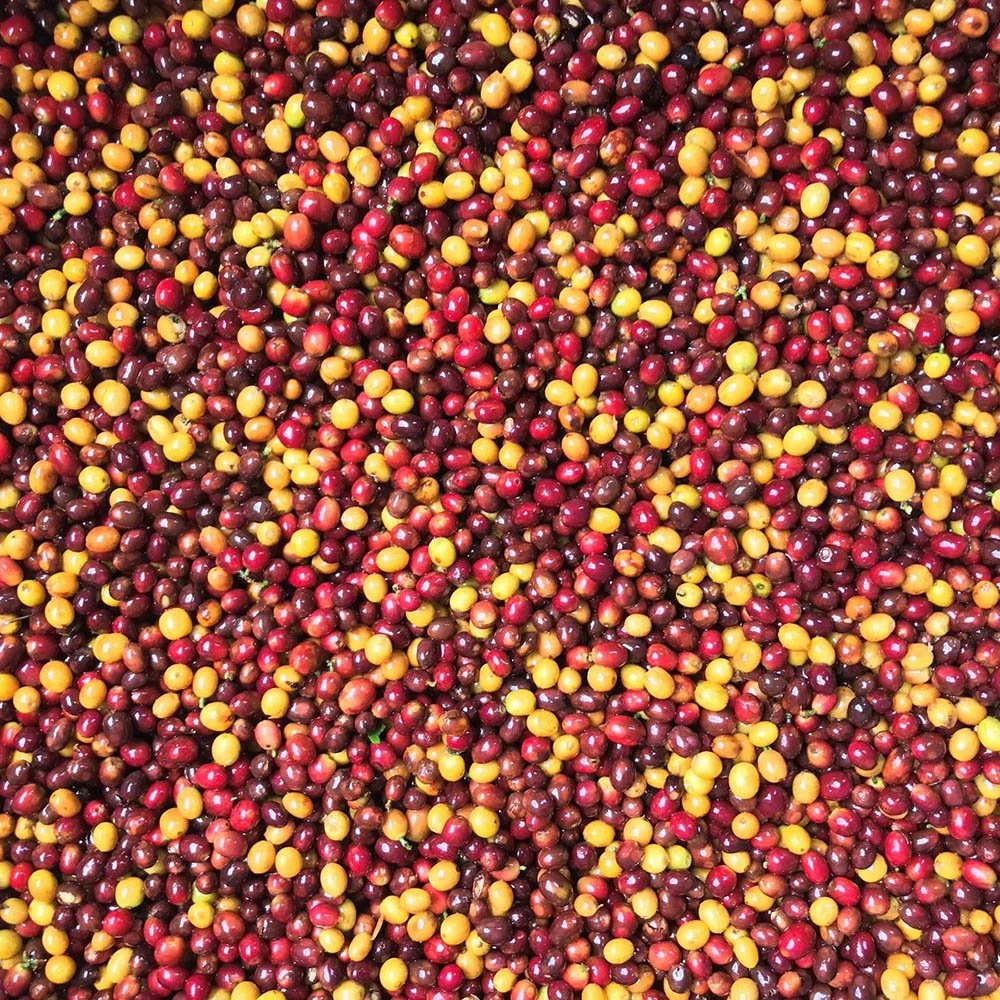 Image 4 of 4
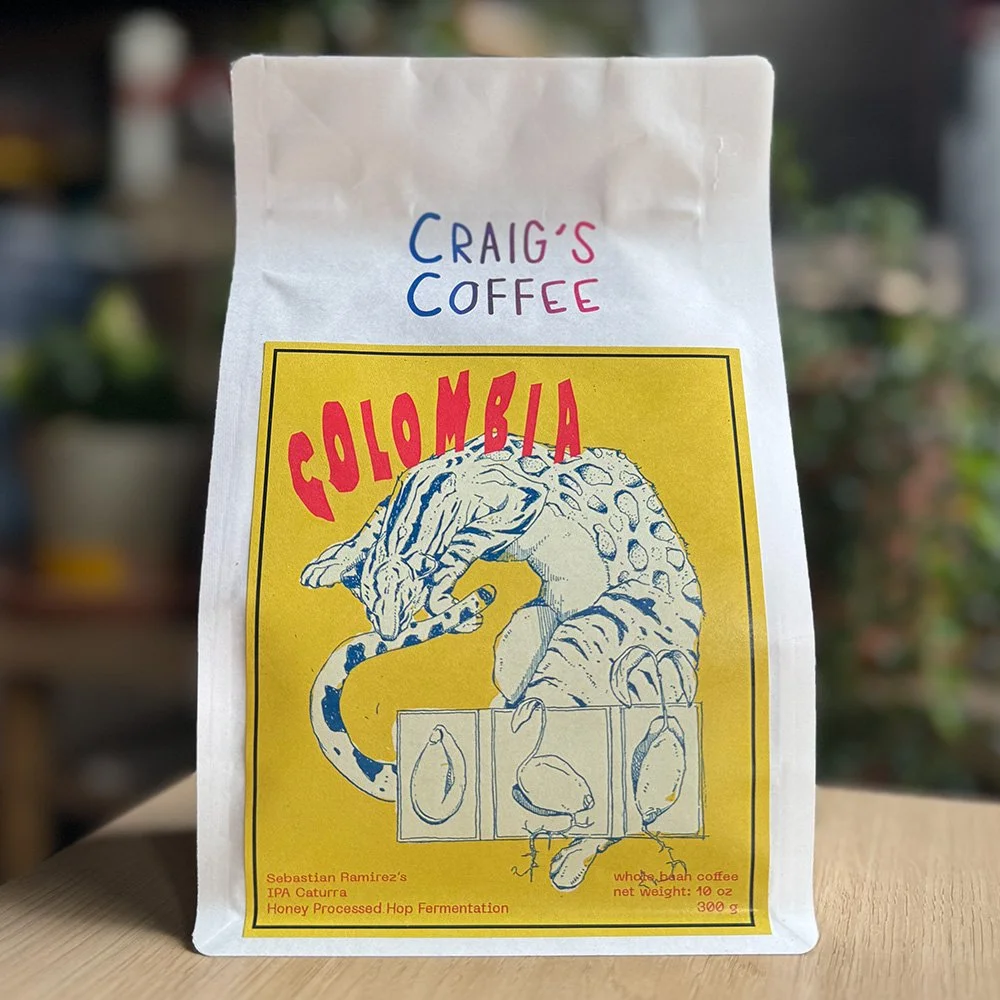
This coffee doesn’t taste like beer despite the IPA name 😂 “IPA” comes from the hop/mosto culture Sebastian created and added to the ferment, not from actual beer 🍻
Check out our most recent BLOG post about this fantastic coffee.
Producer: Sebastian Ramirez.
Farm: El Placer
Location: El Placer, Quindío, Colombia
Processing: Producer Sebastian Ramirez starts with ripe Caturra cherries, (Caturra is the coffee variety) and begins the fermentation process in sealed tanks for 100 hours. The cherries are then removed and honey processed, mixed with a hop/mosto culture, and sealed again in tanks with CO₂ for another 100 hours.
(Honey process, simply put, is a processing method where the cherries are depulped but a thick layer of mucilage is left on the seed. It lands somewhere between a washed and natural process.)
The hop/mosto culture Sebastian concocted is made using traditional beer hops and the juices from coffee cherries to create a starter culture that is added to the honey-processed cherries during the second 100-hour fermentation.
Drying Method: On open patios at a controlled temperature of 105°F, followed by a two-phase shade drying process lasting around five days.
Variety: Caturra
Soil Type: Volcanic Loam
Elevation: 1,800 MASL
Exporter: Unblended
Importer: Algrano
Notes from the Importer: A fourth-generation coffee farmer, Sebastian specializes in Carbonic Maceration & varietal innovation, pushing the boundaries of specialty coffee. Sebastian's farm operates as a processing facility rather than a traditional coffee farm. In the 1980s, it was a large coffee estate in Quindío, but today, only half of its original production remains active. He oversees the purchase of cherries grown on the farm and sources select specialty varieties from Huila—currently, his Geisha and some Pink Bourbon come from there. Sebastian is responsible for processing and developing flavor profiles, ensuring the highest quality in every batch. Additionally, he has recently acquired a new farm, where he plans to focus on cultivating more exclusive varietals such as wush wush, Sl 28, etc. that are not easily grown in his region.
When making this coffee, Caturra beans are handpicked and selected. The cherries are then sealed in a CO₂-filled container and undergo carbonic maceration for 100 hours while the pH and temperature are controlled. Next, they are depulped and sealed once again — this time with a hop culture that Sebastian calls Mosto — for another 100 hours. After all of this, the coffee is dried in elbas (open patios) for up to 30 days and stabilized for another 15 days.