 Image 1 of 5
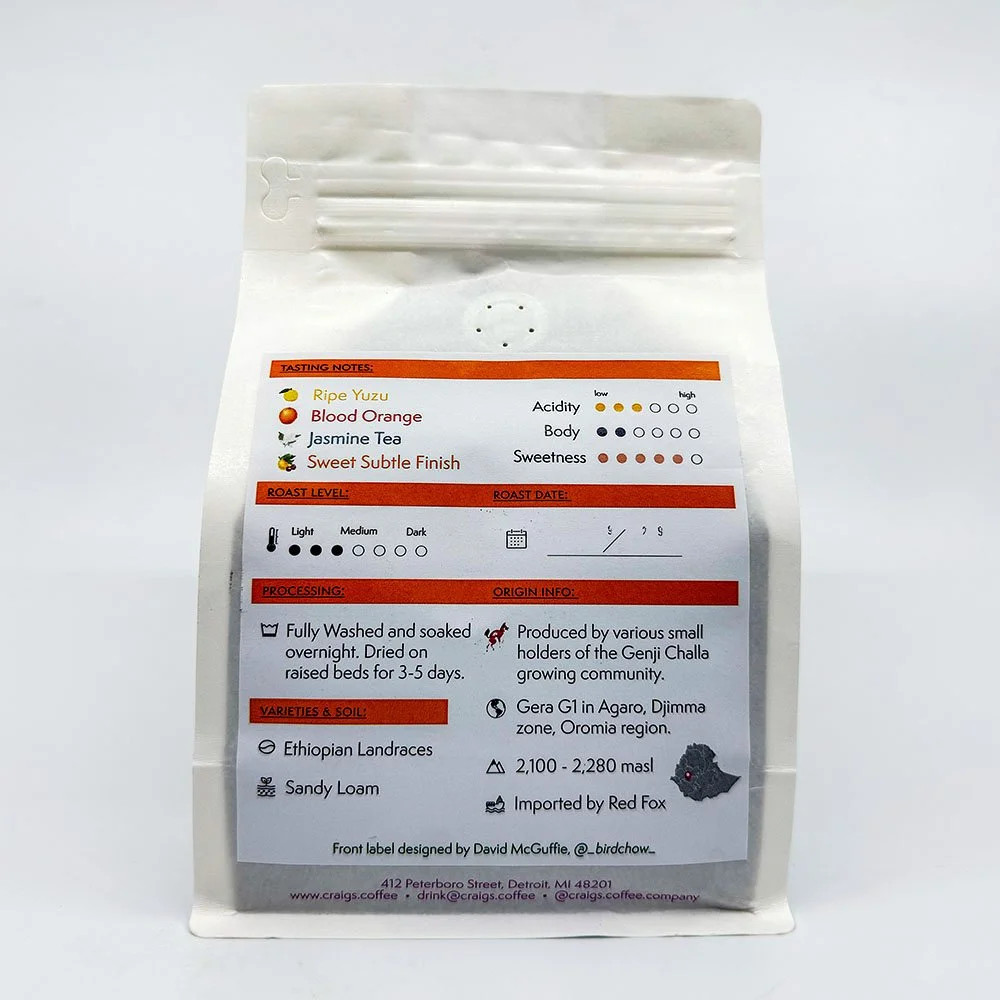 Image 2 of 5
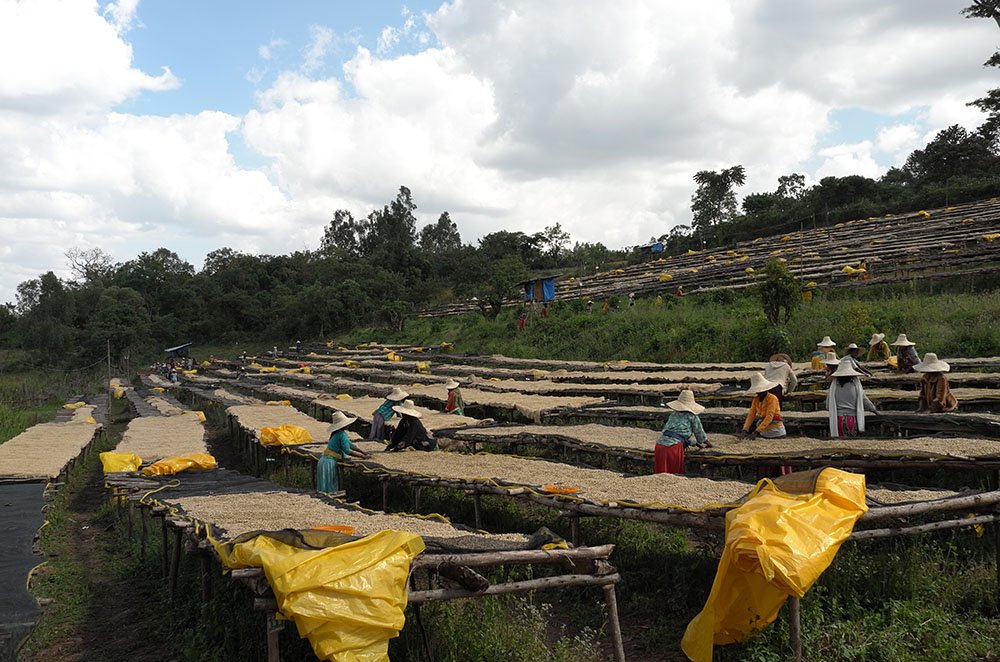 Image 3 of 5
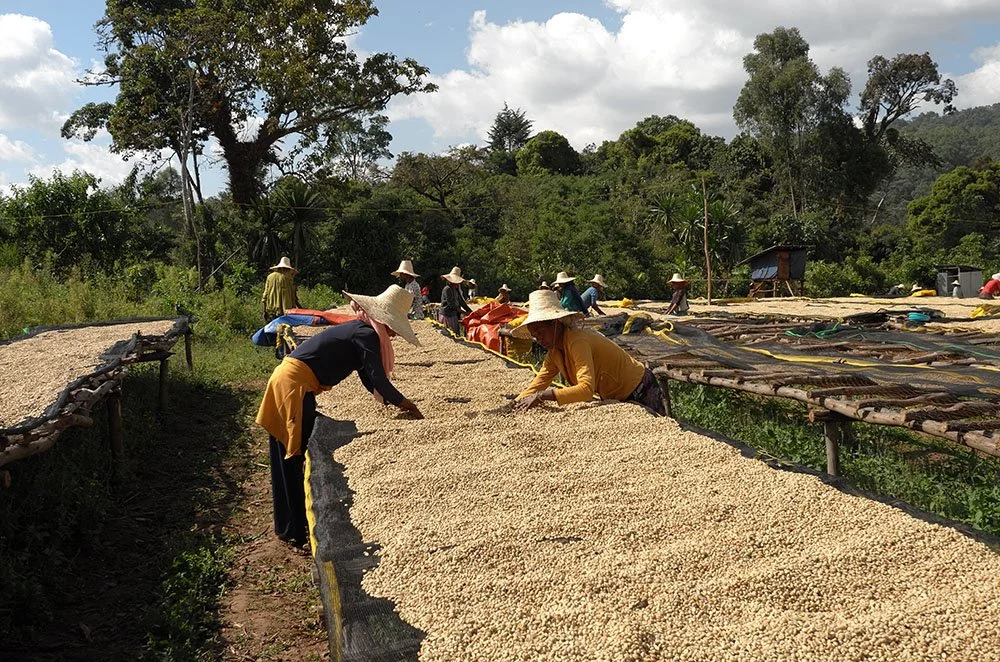 Image 4 of 5
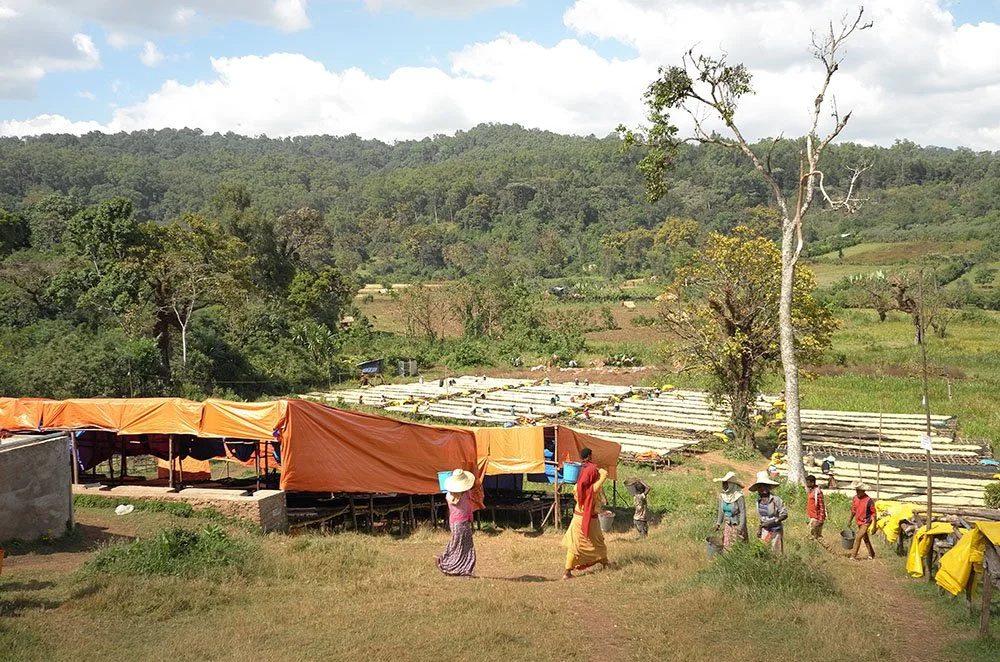 Image 5 of 5
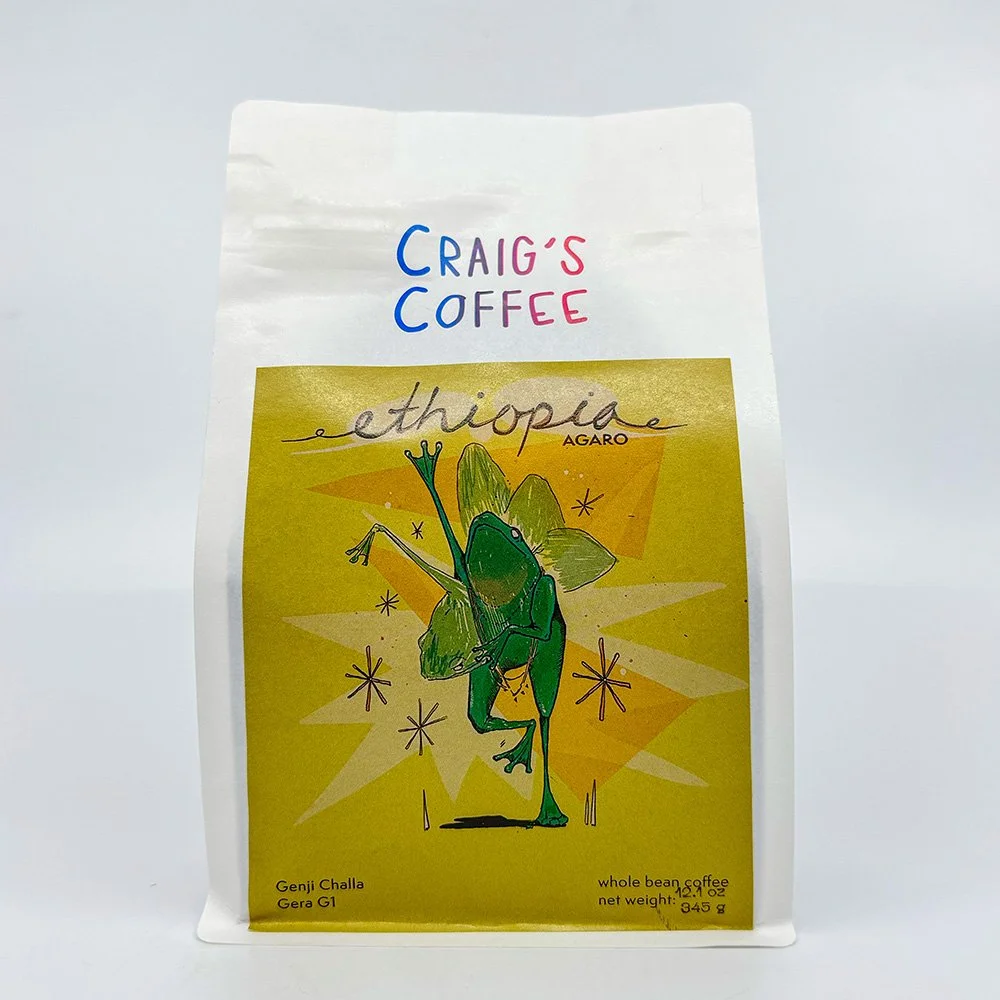
Ethiopia Agaro • Genji Challa
Producers: Smallholder farmers of the Genji Challa community.
Farm Name: Various smallholder producers, 0.1–2 hectares each.
Lot Name: Gera G1
Woreda (district) and Zone: Gera, Djimma – Oromia Province
Elevation: 2,100 – 2,280 masl
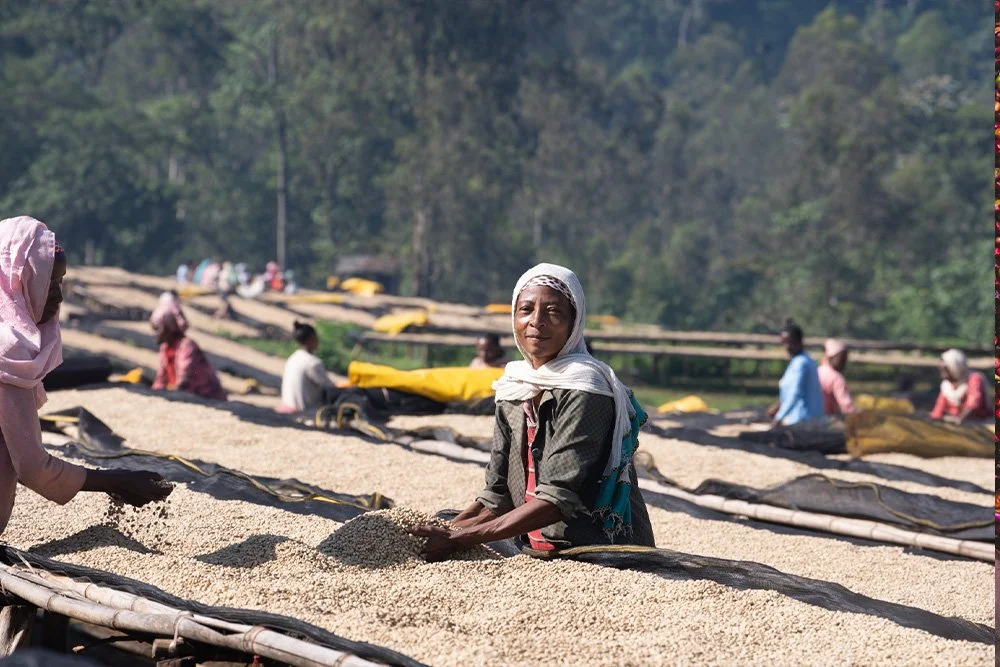
Processing Method: Fully washed. Mechanically depulped, then soaked overnight. Dried 6–8 days on raised beds.
Varieties: Ethiopian Landraces (Heirloom)
Roast Level: Medium-Light
Tasting Notes: Ripe Yuzu 🍋, Blood Orange 🍊, Jasmine Tea 🍵, Sweet Subtle Finish 🍈
Importer: [BLANK — not named on the spec sheet. Who brought this one in?]
Notes from the Importer: The Djimma area is one of Ethiopia's largest coffee producing regions. The people here belong to the Oromo, one of the country's oldest and most populous ethnic groups, and speak dialects of Oromifa. This lot comes from the Genji Challa kebele in the Gera district.
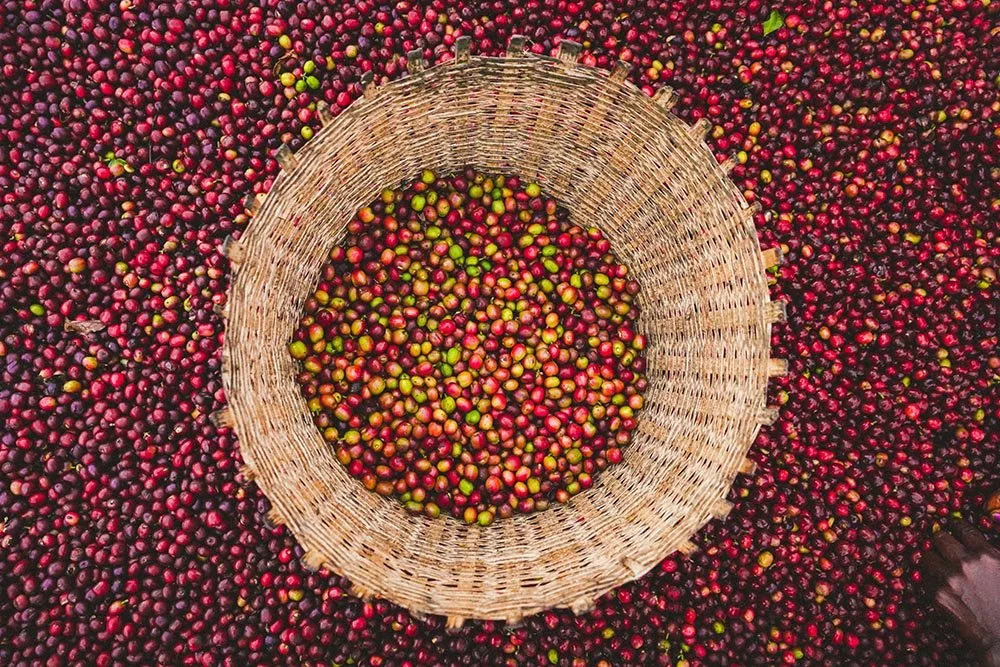
Reaching the washing station means flying into Addis Ababa, taking a 40-minute local flight to Djimma, then driving four hours by road. Producers live close to the station — no more than twenty minutes away — though the paved roads give way to dirt paths on the approach. During harvest, producers carry bags of cherry to the nearest collection centers by motorcycle, horse, or donkey, and trucks move them from there to the central washing station.
Farmers in the region intercrop coffee with native shade trees like banana, which help fertilize the soil. Because producers deliver their coffee in cherry form, they don't need to compost pulping waste themselves; the collection centers prepare organic compost from it, store it, and distribute it back to the producers.
The Djimma Agricultural Center was established in the early 1970s, after a rough harvest prompted the government to create a centralized source of improved coffee seed. More centers followed across Ethiopia. Unlike much of the country, this area hasn't seen a large shift from coffee to khat or eucalyptus — crops that draw heavily on the soil's water. Coffee here is both economically viable and ecologically supportive: it requires a healthy forest ecosystem, so as long as coffee is grown in this region, the surrounding forest stays.