 Image 1 of 6
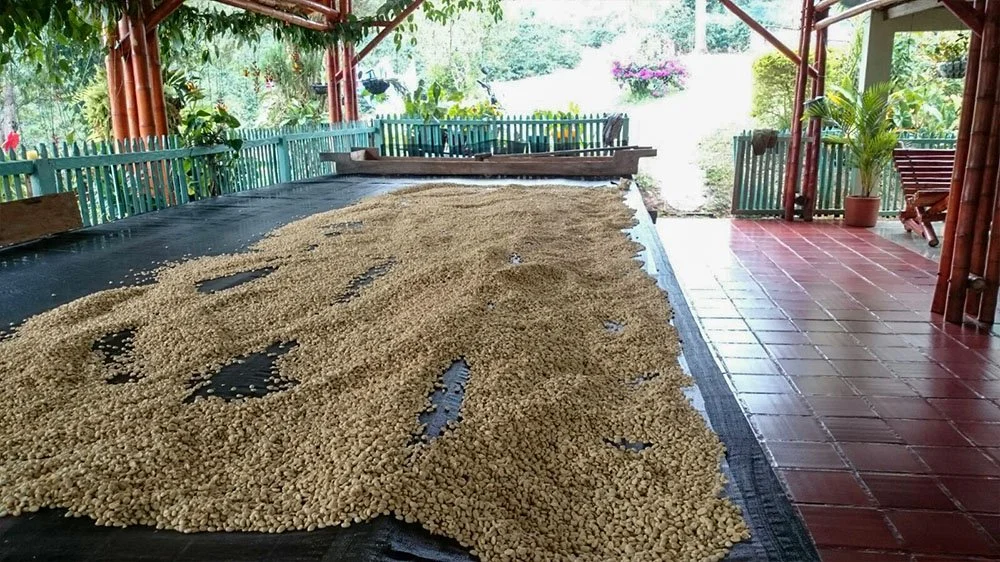 Image 2 of 6
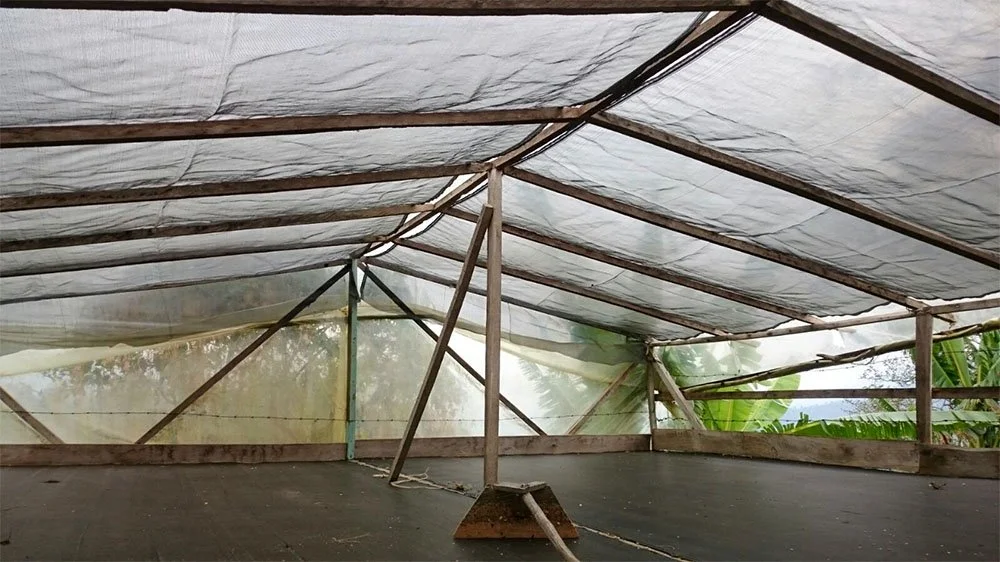 Image 3 of 6
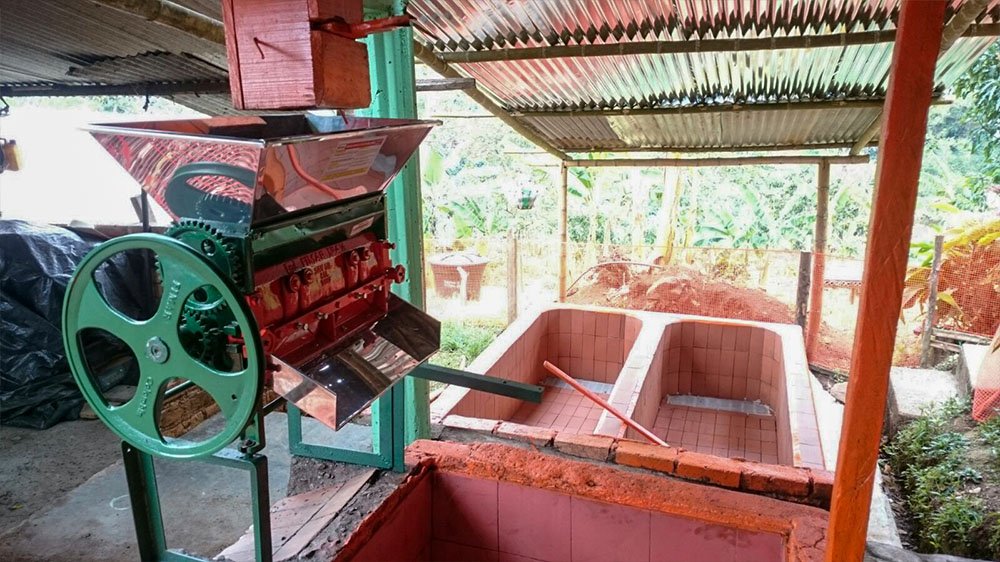 Image 4 of 6
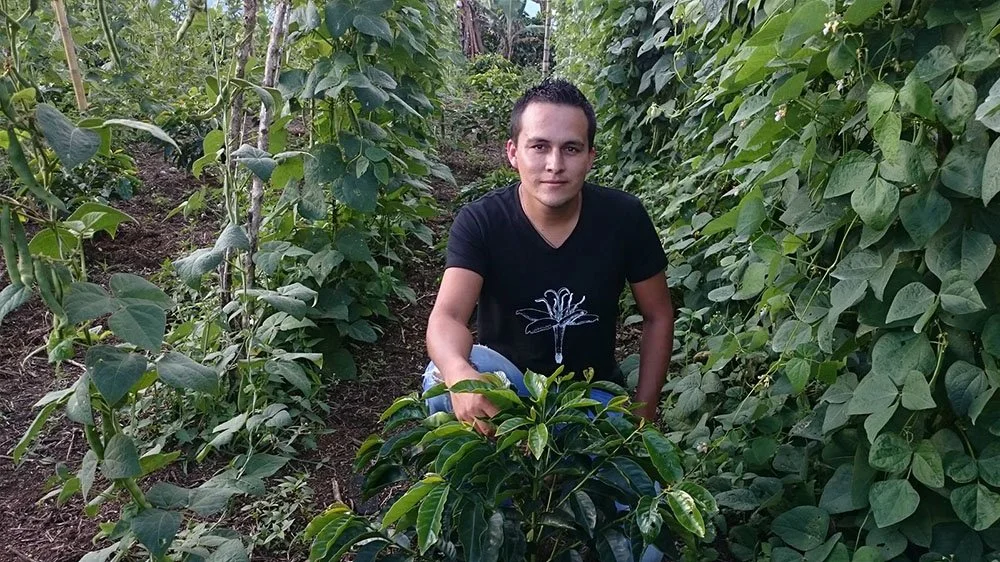 Image 5 of 6
 Image 6 of 6
Producer: Lisandro Cardenas
Farm: Finca Las Brisas
Location: Acevedo, Huila
Processing: Natural (or dry) process. Depulped and triple washed.
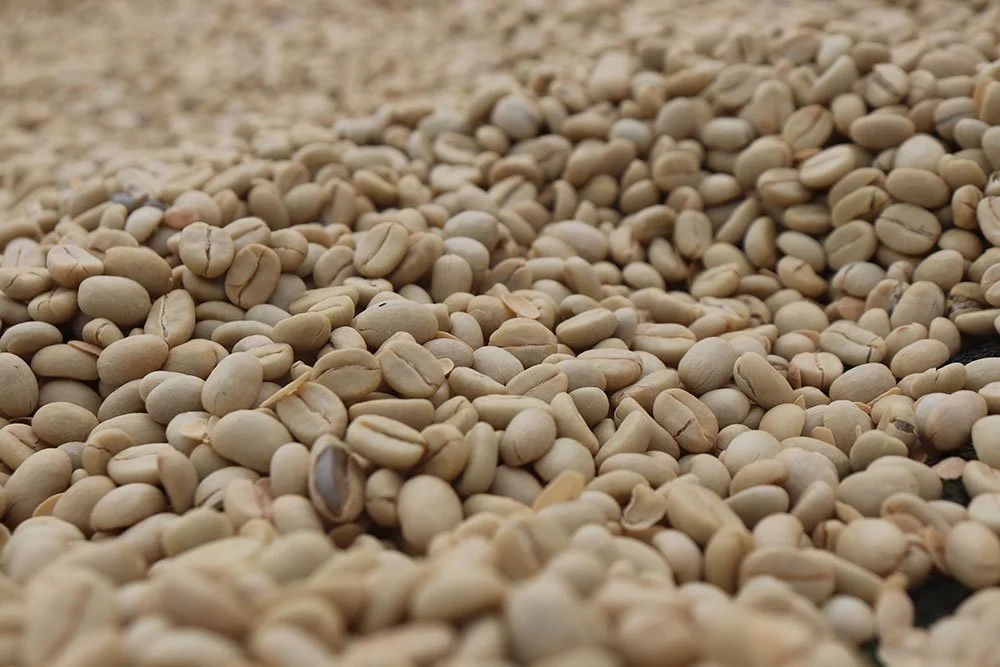
Drying Method: On raised meshed beds for 12-20 days, pending on the weather.
Varieties: Gesha
Soil Type: Volcanic Loam
Elevation: 1,400 - 2,000
Importer: La Bodega
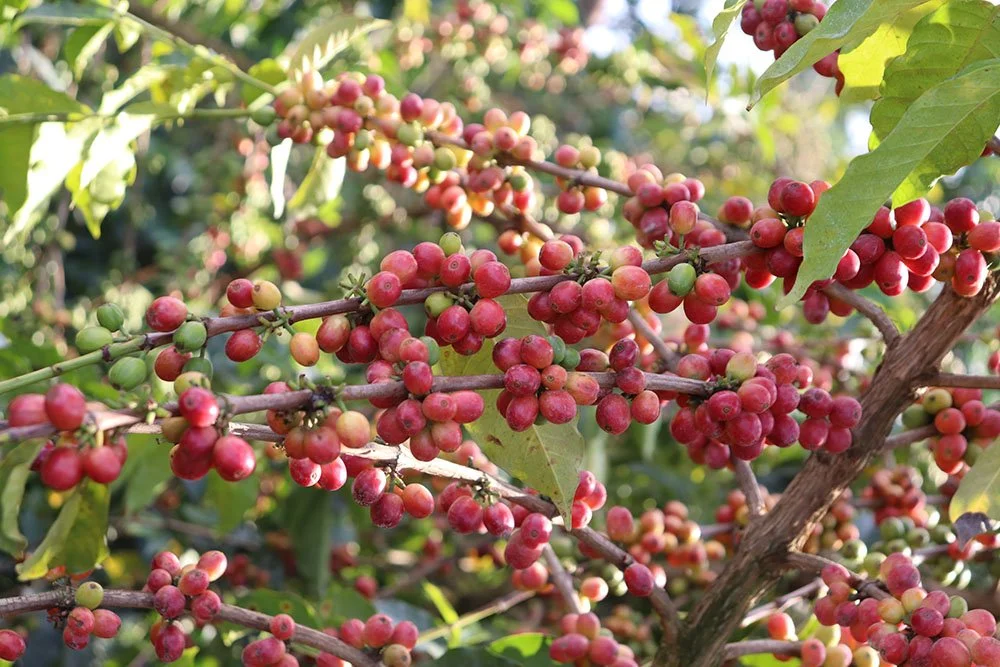
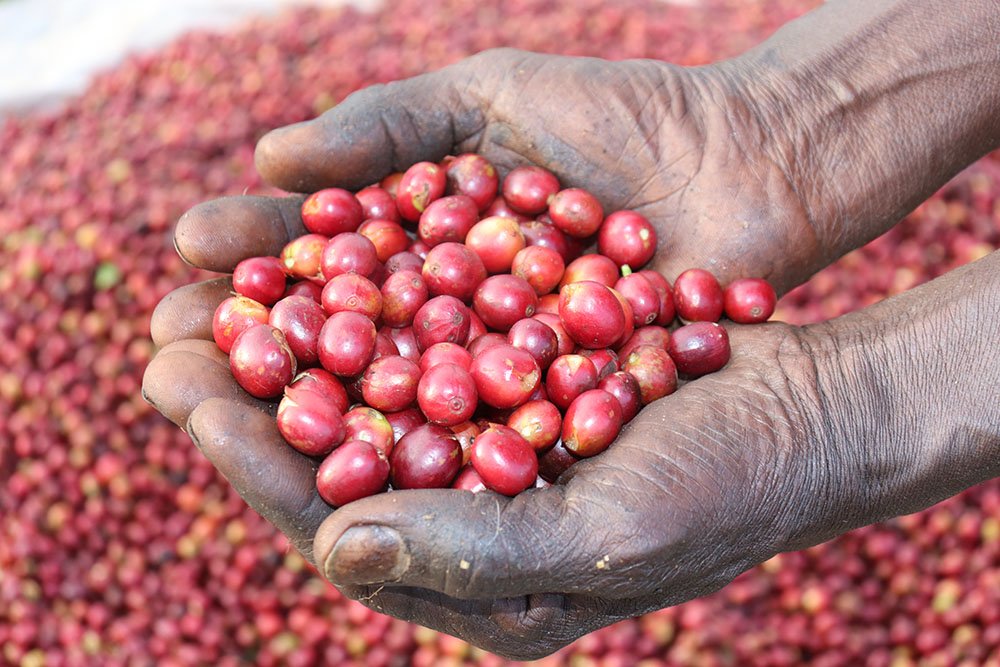
Notes from the Importer: A coffee-producer's son, Lisandro has been around coffee his whole life and said he "inherited" being a producer from his father. He took courses at the National Learning Service (SENA) in coffee production, and started his own farm almost a decade ago. In additional to Caturra, Don Lisandro grows Gesha and Pink Bourbon varieties. Don Lisandro has a 5-hectare farm that's planted with coffee on 4.5 hectares, in the combination of volcanic/sandy loam soil common to the area. Only the bright red cherry gets harvested, and is depulped in the afternoon before being sorted in a zaranda, a kind of mesh screen that removes impurities from the coffee. The coffee is then fermented in open tanks for 18–26 hours and washed three times before being laid in parabolic driers for 12–20 days depending on the weather.